

Exploring Modern Art Sculpture Styles: Features and Inspirations
- craig campbell

- Apr 14
- 5 min read
When I first encountered the world of modern art sculpture, I was captivated by its boldness and diversity. Sculptures today are not just about form and material; they are about ideas, emotions, and stories that resonate deeply with us. Whether you are looking to commission a custom piece or simply want to understand this vibrant art form better, exploring the features and styles of modern art sculpture can open up a world of creativity and inspiration.
Understanding Modern Art Sculpture Styles
Modern art sculpture styles are as varied as the artists who create them. They reflect the changing times, cultural shifts, and new technologies that influence artistic expression. Some styles emphasize abstraction, while others focus on realism or conceptual ideas. Here are a few prominent styles that have shaped modern sculpture:
Abstract Sculpture: This style moves away from realistic representation and focuses on shapes, forms, and colors to evoke emotions or ideas. Artists like Henry Moore and Barbara Hepworth are famous for their abstract works that invite viewers to interpret meaning personally.
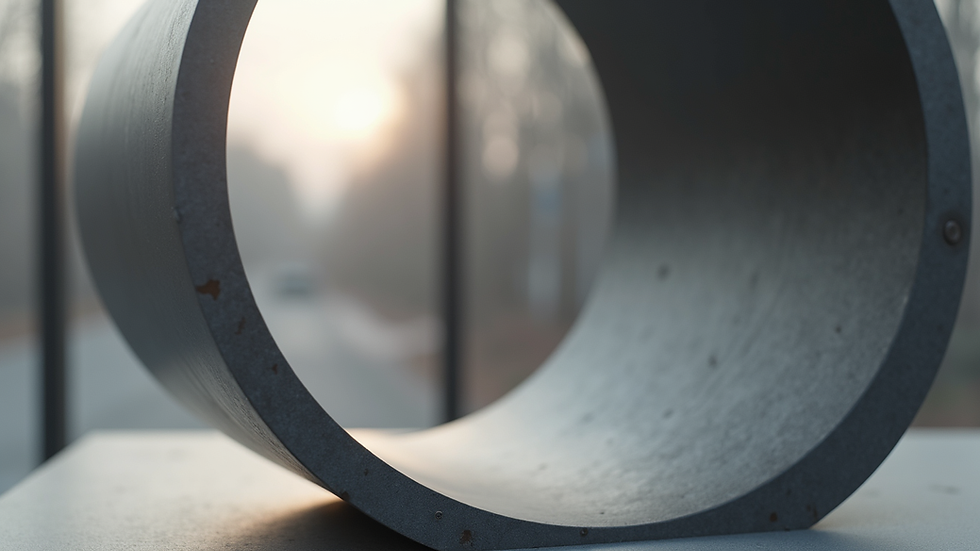
Minimalism: Characterized by simplicity and clean lines, minimalism strips sculpture down to its essential elements. It often uses industrial materials like steel or concrete, emphasizing form and space over decoration.
Kinetic Sculpture: These sculptures incorporate movement, either powered by motors, wind, or human interaction. Alexander Calder’s mobiles are iconic examples that bring a dynamic element to sculpture.
Conceptual Sculpture: Here, the idea behind the sculpture is more important than the physical object itself. This style challenges traditional notions of art and often incorporates mixed media or found objects.
Environmental Sculpture: These works interact with their surroundings, sometimes using natural materials or designed to change with the environment. They encourage viewers to consider the relationship between art and nature.
Each style offers unique ways to express creativity and connect with audiences. When commissioning a custom sculpture, understanding these styles can help you communicate your vision clearly and choose the right approach.

What is a Modern Sculpture?
Modern sculpture is a broad term that refers to three-dimensional artworks created from the late 19th century to the present day. Unlike classical sculptures that often depict historical or mythological figures with precise realism, modern sculptures embrace innovation in form, materials, and concepts.
Modern sculptures can be made from traditional materials like bronze and marble, but they also incorporate unconventional materials such as plastics, glass, recycled objects, and even digital elements. This flexibility allows artists to push boundaries and explore new ways of storytelling.
One of the defining features of modern sculpture is its focus on personal expression and experimentation. Artists are encouraged to break free from traditional rules and explore abstract forms, symbolic meanings, and interactive designs. This approach invites viewers to engage with the artwork on multiple levels, sparking curiosity and dialogue.
When you consider a custom sculpture, think about how modern sculpture’s openness to innovation can help bring your unique story or message to life. Whether it’s a community project or a personal tribute, modern sculpture offers endless possibilities.
Key Features of Modern Art Sculpture
As I delved deeper into modern art sculpture, I noticed several key features that distinguish it from earlier forms. These features not only define the art but also guide artists and clients in the creative process:
Innovation in Materials
Modern sculptors experiment with a wide range of materials. From traditional bronze and stone to new-age composites and found objects, the choice of material often reflects the concept behind the work.
Emphasis on Form and Space
Sculptures today often play with negative space and unusual shapes. This interaction between the sculpture and its environment creates a dynamic experience for viewers.
Abstract and Non-Representational Forms
Many modern sculptures do not depict recognizable figures but instead use abstract shapes to convey emotions or ideas.
Interactivity and Movement
Some modern sculptures invite physical interaction or incorporate movement, making the experience more immersive.
Conceptual Depth
The meaning behind the sculpture is often as important as its physical appearance. This encourages viewers to think critically and engage emotionally.
Scale and Placement
Modern sculptures vary greatly in size, from small indoor pieces to monumental outdoor installations. Placement is carefully considered to enhance the impact of the work.
Understanding these features can help you appreciate the depth and diversity of modern sculpture. It also provides a useful framework when discussing your custom sculpture project with artists or studios.
How to Choose the Right Style for Your Custom Sculpture
Choosing the right style for a custom sculpture can feel overwhelming, but it’s an exciting opportunity to express your vision. Here are some practical steps to guide you:
Reflect on Your Purpose
What do you want your sculpture to communicate? Is it a celebration, a memorial, or a symbol of community values? Your purpose will influence the style and materials.
Consider the Location
Indoor or outdoor placement affects material choice and scale. Environmental factors like weather and lighting also play a role.
Think About Interaction
Do you want people to touch or move the sculpture? Interactive elements can create memorable experiences but may require durable materials.
Explore Examples
Look at various modern art sculpture styles and note what resonates with you. Visiting galleries, public art installations, or online portfolios can be inspiring.
Collaborate with Artists
Share your ideas with professional sculptors who can offer insights and suggest styles that suit your vision and budget.
By following these steps, you can make informed decisions that lead to a meaningful and lasting work of art.
Bringing Your Vision to Life with Custom Sculpture
Creating a custom sculpture is a journey of collaboration and creativity. When you work with a skilled studio, you gain access to expertise in design, materials, and fabrication. Here’s how the process typically unfolds:
Initial Consultation
Discuss your ideas, goals, and budget. This helps the artist understand your vision.
Concept Development
The artist creates sketches or models to visualize the sculpture. This stage allows for feedback and adjustments.
Material Selection
Choose materials that suit the style, location, and durability requirements.
Fabrication
Skilled artisans bring the design to life using specialized tools and techniques.
Installation
The sculpture is carefully installed at the chosen site, ensuring safety and aesthetic harmony.
Ongoing Care
Some materials require maintenance to preserve the sculpture’s beauty over time.
Throughout this process, open communication and trust are essential. A custom sculpture is more than an object; it’s a lasting expression of identity and creativity.
If you want to explore how a modern art sculpture can transform your space or project, consider reaching out to studios that specialize in custom work. Their expertise can help you navigate choices and create something truly unique.
Embracing the Future of Sculpture
The world of sculpture continues to evolve, embracing new technologies like 3D printing, augmented reality, and sustainable materials. These innovations expand the possibilities for artists and clients alike.
As you think about commissioning or appreciating sculpture, remember that this art form is a living dialogue between tradition and innovation. It invites us to see the world differently and connect through shared creativity.
I encourage you to explore, imagine, and engage with modern art sculpture styles. Whether you are inspired by abstract forms, minimalist designs, or interactive pieces, there is a style that can bring your vision to life and inspire others.
Let your journey into sculpture be one of discovery and joy, knowing that each piece has the power to tell a story that lasts for generations.


Comments